
Against a New Romantic
On Reason and Emotion

There’s been plenty of writing on how we are entering a New Romantic. People complain about the sterility of the human experience, a counter reaction to intrusive tech and the mental capture of algorithms. Much like during the Romantic period, the decline of Christianity has stalled, at least in the U.S. People like playwright Matthew Gasda, who named his Substack after Romantic polymath Novalis, seem to take inspiration from that era. Luddite teens are being interviewed in The Times. Going to readings is trendy (though unromantic in their teetering on the corporate side, as Chloe Pingeon writes), and there are more writers in New York today than readers.
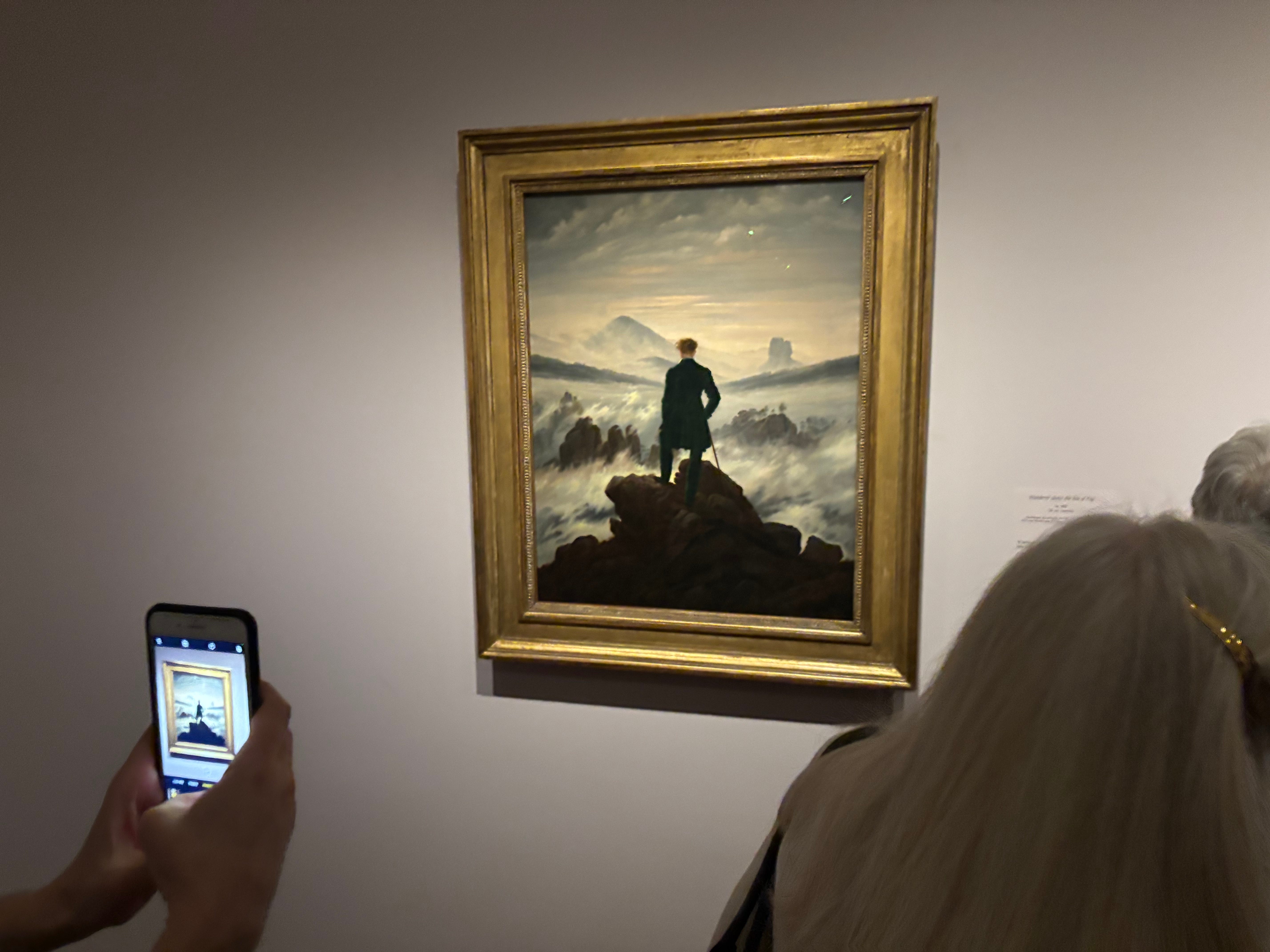
I don’t generally take issue with the aesthetics of the Romantics. I don’t mind Wordsworth’s cascade of daffodils, Goethe’s ever-suffering Werther, or Caspar David Friedrich’s vast landscapes. At most, I find them a bit boring (I’m more of a Modernist girly). But, as with any major ideological and artistic movement in the West, Romanticism is a counterreaction to the movement that came before it. I see the same values central to the Romantics—values that replaced Enlightenment-era ideals—becoming increasingly popular today.
From what I’ve seen, this has been met with uncritical praise and enthusiasm. As our president issues executive orders promoting “beautiful” federal architecture, decries Brutalist architecture, and proclaims himself Godsent to save America in front of Congress, there’s an urgency to talk about the lack of criticism aimed at this New Romantic.
The values of the Romantics, such as nationalism, heroism, and individual experience, replaced Enlightenment-era values like reason, rights, tolerance, and individual autonomy. The Enlightenment paved the way for democracy, while the rejection of Enlightenment values laid the groundwork for 20th-century fascism. The Nazis were antithetical to Enlightenment-era values and embraced a distorted version of Romantic-era values. The Nazis, much like Trump, despised modernism and yearned for a great, romantic nationalist past. Abstract and expressionist art were considered degenerate, including Brutalist architecture.
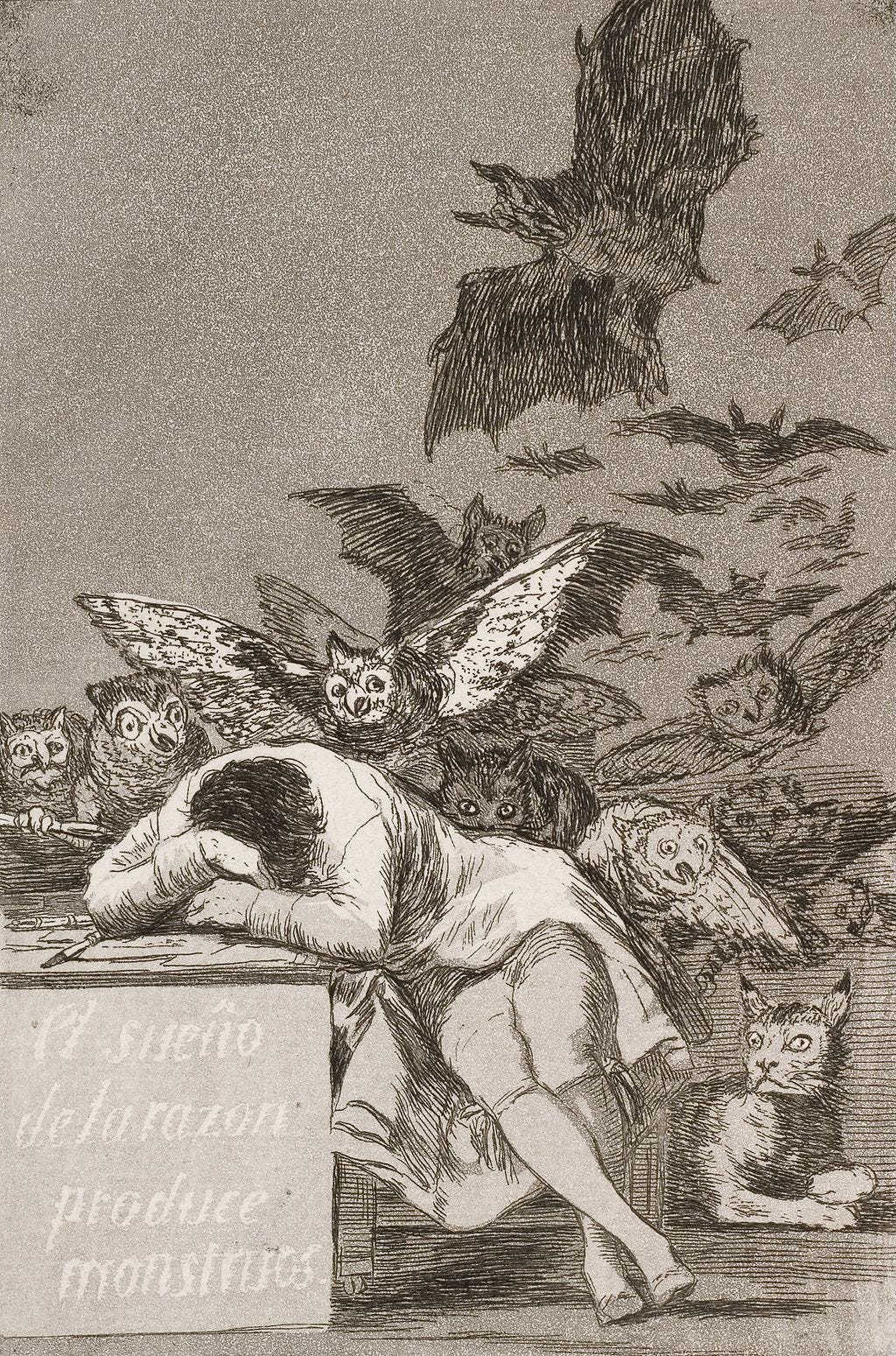
I would argue that the move toward Romantic values started during the pandemic. Cottagecore and an involuntary return to the domestic sphere can be seen as a precursor to the rise of the tradwife trend. An embrace of the “natural” has resulted in the horseshoe of hippie vegans and antivax, RFK Jr.-like figures chugging glass bottles of $30 raw milk milked straight from the teat of ignorance (can someone make a Goya-esque illustration of this, à la The Sleep of Reason Produces Monsters?)
I can, however, sympathize with the yearning to escape technology and the paralyzing political situation. After nearly three years in New York and a chronically online early adulthood, I have been desensitized to experience and am yearning for a feeling of awe that I’ve only really had when confronted with great natural scenes—the French-Italian Alps into which Frankenstein’s monster escaped, the Grand Canyon depicted in Thomas Cole’s paintings, Mount Vesuvius in Pompeii, the major object of fascination for wealthy Europeans embarking on “educational excavations” in the 1800s.
What I feel people get wrong today is that they seem to view reason as being at odds with emotion. Reason is considered unromantic (which I find fucking weird – I don’t know about you, but knowledge over ignorance sounds sexy to me). What’s central is that reason and emotion, truth and values, were never mutually exclusive.
I’m not saying that Romanticism was by any means all bad. The humanist approach of the era resulted in factory regulations, the idea of the child as something different from just a “small adult,” and riveting art and literature. Most importantly, there was a big focus on compassion and empathy as essential values (think Dickens). But that doesn’t mean we should demonize reason. Reason is what led us to scientific progress, the discovery of penicillin, and the invention of vaccines. Reason is also what got us values such as rights and freedoms. Reason got us democracy.
What I am saying is that I think it is misdirected and problematic to label contemporary times as exceptionally rational, especially in the U.S. Political theorist Robert Dahl outlines what he considers to be the five criteria of democracy. One of them is a voter base with an enlightened understanding, which Dahl describes as the following:
“Within reasonable limits as to time, each member must have equal and effective opportunities for learning about the relevant alternative policies and their likely consequences.”
You may argue that in the internet age, everyone has “equal and effective opportunities” to access the truth. But when a candidate blatantly lies his way to the presidency with the help of a news channel that has been actively spreading misinformation to millions of people, along with other attempts to relativize the truth, you could argue that a portion of the voting population in the U.S. has simply been brainwashed. And brainwashing does not equal equal and effective opportunities to learn. We are already seeing some Trump voters regret their decision, despite voting for someone who is doing exactly what he said he would.
Reason without empathy can lead to tyranny, and emotion without knowledge inevitably causes dysfunction. We need both reason and emotion, truth and values, to make political decisions. Worst of all, of course, is when we have neither reason nor empathy – sounds familiar?